NORTH BAY, ON; QONASQAMKUK (SAINT ANDREWS), NB: The nuclear industry’s flawed proposal to dispose of Canada’s most long-lived radioactive waste has sparked serious concern among environmental lawyers, Indigenous rights holders, and civil society organizations across the country. The groups say the project ignores Indigenous rights and risks to communities along the extensive cross-Canada transport route to the proposed deep geological site in Northwestern Ontario.
The project proposes the transport of approximately 5.9 million used nuclear fuel bundles over thousands of kilometres to an underground waste repository, with construction beginning as early as 2030. The project depends on transporting this high-level radioactive waste on a daily basis over a period of 50 years from nuclear reactors in Ontario, Quebec, Manitoba, and New Brunswick.
“Nuclear stations were built in Canada without proper environmental reviews, meaning end-of-life decisions about long-lived radioactive waste were never fully examined,” said Kerrie Blaise, environmental lawyer and Founder of Legal Advocates for Nature’s Defence (LAND). “We now have a chance to remedy this decades long environmental injustice, but it requires that this project – in its entirety – be subject to an impact assessment so that the public can weigh in, and the cumulative impacts of this project and the risks it inherently passes along to future generations known, before final decisions are made.”
Recently released documents from the nuclear industry’s organization responsible for the project reveal their explicit intent to exclude the transportation of the nuclear waste from review, despite it being an unavoidable and necessary component of the project. Excluding transportation from the scope of review would remove accident risks, routing decisions, and emergency preparedness from public review and planning – denying hundreds of communities along potential transport corridors any meaningful opportunity to understand or weigh in on the risks they may face.
“Excluding transportation from review creates a misleading picture of safety and public acceptance,” said Dr. Susan O’Donnell of St. Thomas University in New Brunswick, one of the affected provinces. “What’s more, opposition to nuclear waste transport has been clearly and repeatedly stated by Indigenous Nations. Treating these concerns as an afterthought does not make them disappear — it removes them from scrutiny.”
As Chief Hugh Akagi of the Passamaquoddy Nation remarked, “since the 1980s, nuclear operations in the Bay of Fundy within Passamaquoddy homeland have occurred without our consent, and more radioactive waste continues to be produced and stored against our will. All nuclear projects must be subject to impact assessment if we are to have access to the knowledge and discovery that an impact assessment attempts to provide – it’s a necessary step in seeking the achievement of free, prior and informed consent.”
Michel Koostachin, founder of the Treaty-9 based Indigenous grassroots group the Friends of the Attawapiskat River remarked “it’s very crucial that our watersheds not be compromised — once our lands, waters, and muskeg are contaminated, there’s no going back.”
Legal Advocates for Nature’s Defence together with the Peskotomuhkati Nation at Skutik, the Coalition for Responsible Energy Development in New Brunswick, Contesting Energy Discourses through Action Research, and the Friends of the Attawapiskat River are urging citizens to take action and call on the Impact Assessment Agency of Canada to require a federal impact assessment for the nuclear waste project by the deadline of February 4, 2026 that:
- commits to the inclusion of nuclear waste transportation routes and risks within the project scope
- protects Indigenous rights, including free, prior and informed consent obligations, internationally recognized in the United Nations Declaration on the Rights of Indigenous Peoples and required under Canadian law
- upholds environmental justice, including the rights of impacted communities along the proposed route to be informed and have a say
-30-
For more information or to arrange an interview, please contact:
Kerrie Blaise
Founder and Legal Counsel
Legal Advocates for Nature’s Defence
kerrie@naturesdefence.ca
705-978-4034
Kim Reeder
Peskotomuhkati Nation at Skutik
kim.quoddy@gmail.com
506-467-1927
Dr. Susan O’Donnell
Coalition for Responsible Energy Development in New Brunswick
susanodo.ca@gmail.com
506-261-1727
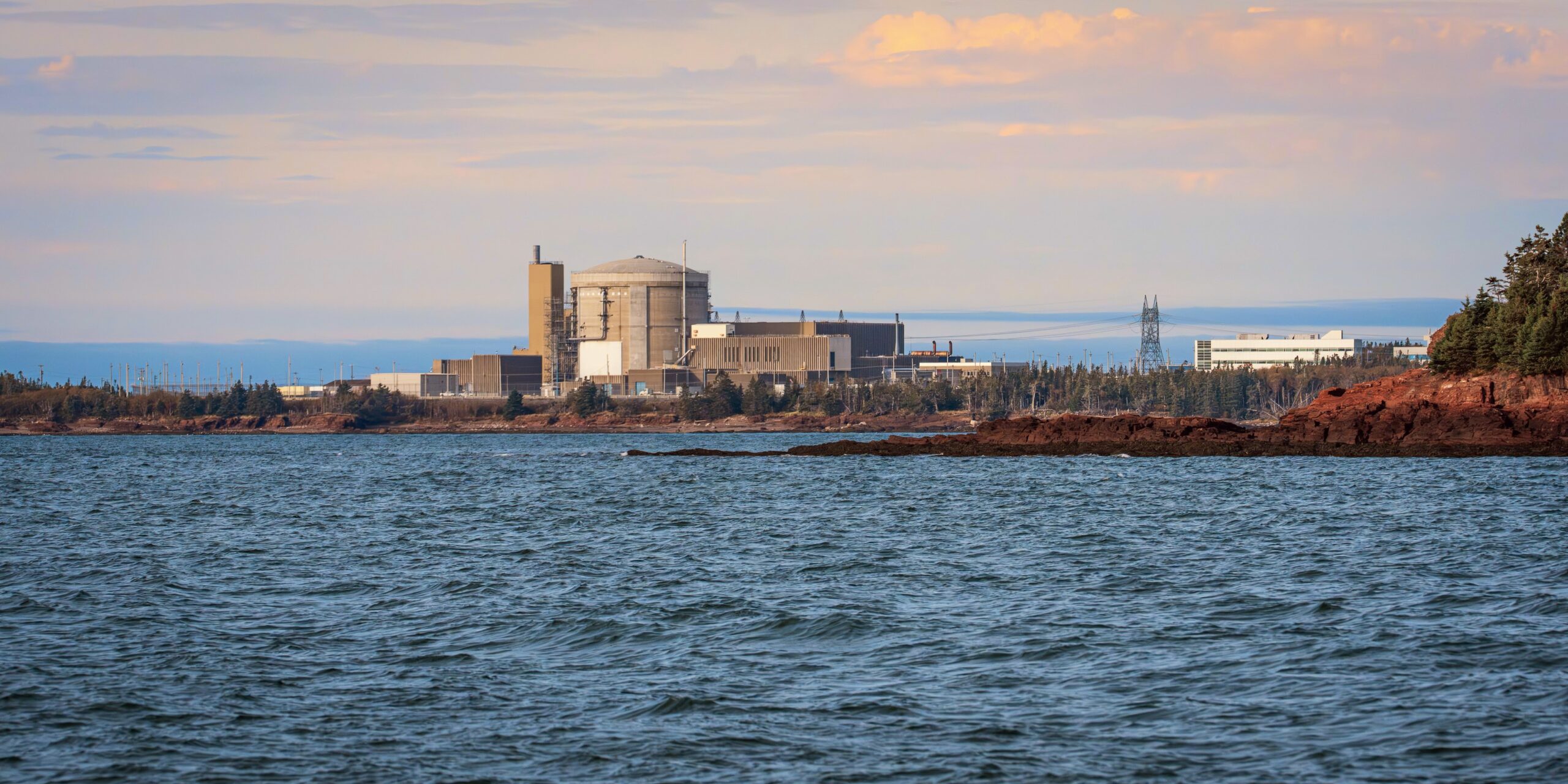
Cover photo: Eleven North Visuals