
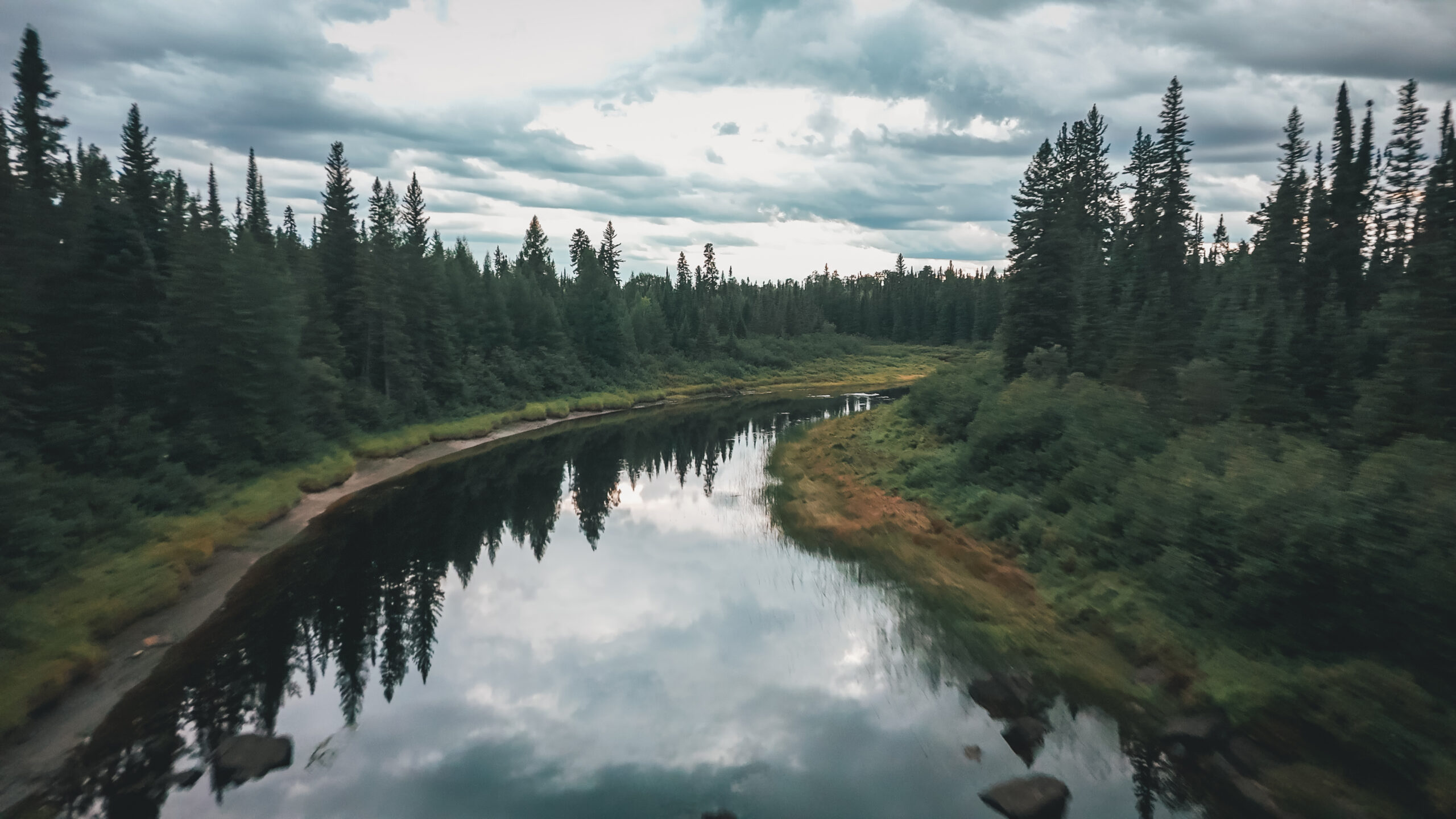
ATTAWAPISKAT, NORTH BAY, ON: Indigenous youth-led movements Here We Stand and Okiniwak, together with the Friends of the Attawapiskat River and Legal Advocates for Nature’s Defence, are sounding the alarm over Ontario’s latest omnibus legislation, Bill 140, the Building Ontario Faster Act, 2026.
Introduced on October 27, 2026, the groups say the Bill serves to entrench the province’s disregard for Indigenous rights and culture, by proposing sweeping exemptions from archaeological assessment requirements under the Ontario Heritage Act. Archaeological assessments are one of the best and few means to ensure Indigenous sacred sites, ancestral burial grounds and artifacts are identified, preserved and protected before they are irreversibly lost or destroyed.
The Bill has significant implications for the Hudson–James Bay Lowlands in Treaty 9 territory, particularly the Attawapiskat River, where the Ring of Fire is proposed. Allowing mining, mineral exploration, road construction and other industrial activities to proceed without first identifying and protecting sites of cultural and spiritual significance, jeopardizes sacred sites and artefacts in the region.
With more than 80 per cent of all archaeological sites being places inhabited by Indigenous peoples and located within 300 m of water bodies, the risk of irreversible harm to culturally significant sites along the Attawapiskat River is inevitable should development be allowed to proceed absent archaeological assessment.
Jeronimo Kataquapit, Founder of Here We Stand youth-led movement, said:
“Our culture is who we are as people. It includes our responsibilities to protect the land and water for generations to come. Bill 140 continues what Bill 5 started: environmental protections are being left behind to fast-track development, safeguards watered down to the point of being near-void, and Indigenous rights bypassed. Our presence on the land is needed now more than ever with these coming changes. This affects all territories and regions in Ontario— just not the Ring of Fire area.”
Ramon Kataquapit, Founder of Okiniwak, said:
“Our ancestors, sacred sites and burial grounds are not obstacles to development. They are part of our living history, our spirit and our responsibilities under Natural Law. Bill 140 threatens more than our cultural heritage, it threatens the very places that connect us to our ancestors and allow us to heal from generations of colonial harm. We are the Seventh Fire generation, carrying both the wounds and the light. No legislation can extinguish our spirit or our responsibility to protect the land for those yet to come.”
Michel Koostachin, Founder of Friends of the Attawapiskat River, said:
“We already know the province wants to destroy our water and our environment. Now they’re coming after our ancestors, forcing legislation that is against us. Our people have lived along and used these rivers for thousands of years. These lands hold our history, our ancestors and our way of life. We have never given our consent to the destruction of our lands and waters. This is not economic reconciliation. This is not what it means to “Protect Ontario.”
Kerrie Blaise, Founder and Legal Counsel at Legal Advocates for Nature’s Defence, said:
“Bill 140 stands in direct opposition to the principles of the UN Declaration on the Rights of Indigenous Peoples, including Article 11 which recognizes Indigenous Peoples’ rights to protect archaeological and historical sites, artifacts and ceremonial objects. Never should a global agreement that sets out the minimum standards needed for Indigenous survival and dignity be pushed aside or treated as optional.”
– 30 –
For more information or to arrange an interview, please contact:
Kerrie Blaise
Founder and Legal Counsel
Legal Advocates for Nature’s Defence
705-978-4034
Notes to Editors
About Us
Here We Stand is an Indigenous youth-led movement to protect our inherent and Treaty rights, our ways of life, the land, the water and animals for current and future generations.
Okiniwak is an Indigenous youth-led movement uniting First Nations youth across Canada to advocate for Indigenous equity and equality.
Friends of the Attawapisat River are an Indigenous grassroots group dedicated to protecting the health of the waters, people and communities living downstream of the proposed Ring of Fire. This means safeguarding the integrity of the boreal and muskeg of the Hudson Bay-James Bay lowlands, its significant contribution to mitigating climate change, and the health of our grandchildren and those not yet born.
Legal Advocates for Nature’s Defence is an environmental law non-profit based in Northern Ontario dedicated to advancing access to justice, to protect nature and Indigenous rights.
Media Assets
- Photos: selects from the Attawapiskat River (credit to: Eleven North Visuals)
Background and Resources
- The lands where the proposed Ring of Fire is located are subject to Treaty 9, and the contamination from development in that region has the potential to affect downstream communities within that territory. The interconnected watersheds in this region flow north, where Indigenous Nations rely on clean lands and waters to exercise constitutionally protected Treaty rights, including the rights to hunt, fish, trap, and maintain cultural practices.
- Beyond the climate regulation and stabilization the Hudson-James Bay Lowlands provides, it is also a rich habitat for wildlife and performs irreplaceable ecological functions. The peatlands filter water and sustain the health of the Attawapiskat, Albany, Winisk, and other great rivers that flow through this area and downstream to James Bay. This region is one of the last strongholds for Woodland Caribou in Ontario and supports other sensitive species such as the wolverine and polar bear at its northern edges.
- Treaty 9, signed in 1905, represents a solemn agreement to peacefully coexist on the lands as two equal nations. For more than a century, the spirit and intent of the Treaty have been repeatedly undermined by residential schools, assimilationist practices, and disparities in the provision of essential services (including clean drinking water and health services) when compared to non-Indigenous communities.
- The Kunming-Montreal Global Biodiversity Framework emphasizes the urgent need to halt and reverse biodiversity loss and requires equitable decision-making that respects Indigenous peoples’ rights, cultures, and knowledge.