ATTAWAPISKAT, NORTH BAY, ON: Indigenous land protectors from Treaty 9 are taking legal action, calling for the federal Environment Minister’s approval of a project in the proposed Ring of Fire region to be revoked. They argue that the Minister’s decision evades Indigenous rights and consideration of impacts to climate and biodiversity.
This is the first case to be launched challenging a Ring of Fire project. Known as the Webequie Supply Road, it is one of three proposed road projects that together create a major access corridor to the proposed Ring of Fire.
On June 25, 2026, just six days after receiving the project’s IA report, the Minister issued their decision, finding the project to be justified in the public interest. The Friends contest the Minister’s decision, arguing it is “inherently unreasonable and fundamentally flawed,” because it fails to account for the rights set out in the UN Declaration on the Rights of Indigenous Peoples, and negative impacts to climate, biodiversity and sustainability.
According to Michel Koostachin, Friends of the Attawapiskat River (Applicant)
According to Rick Cheechoo, Friends of the Attawapiskat River (Applicant)
“The Crown, Ontario and federal governments have discredited themselves and their ability to manage natural resource development allowing the environmental crisis to accelerate causing too much harm. As many have been stating all along, decisions about the lands and natural resources must be Indigenous led, respecting Indigenous free, prior and informed consent.”
According to Kerrie Blaise, Founder, Legal Advocates for Nature’s Defence (Legal Counsel to the Applicant):
“Accepting that a project can be in the public interest despite recognized irreversible impacts, especially in a place which is among the most critical for climate mitigation and the safeguarding of endangered species, sets a very dangerous precedent, not just for other proposed Ring of Fire projects, but projects the government is proposing to ‘fast track’ on the same basis.”
– 30 –
- Kerrie Blaise, LAND, kerrie@naturesdefence.ca, 705-978-4034
Notes to Editors
- Notice of Application issued July 23, 2026
- Video: statement from the Applicant regarding the legal challenge on YouTube
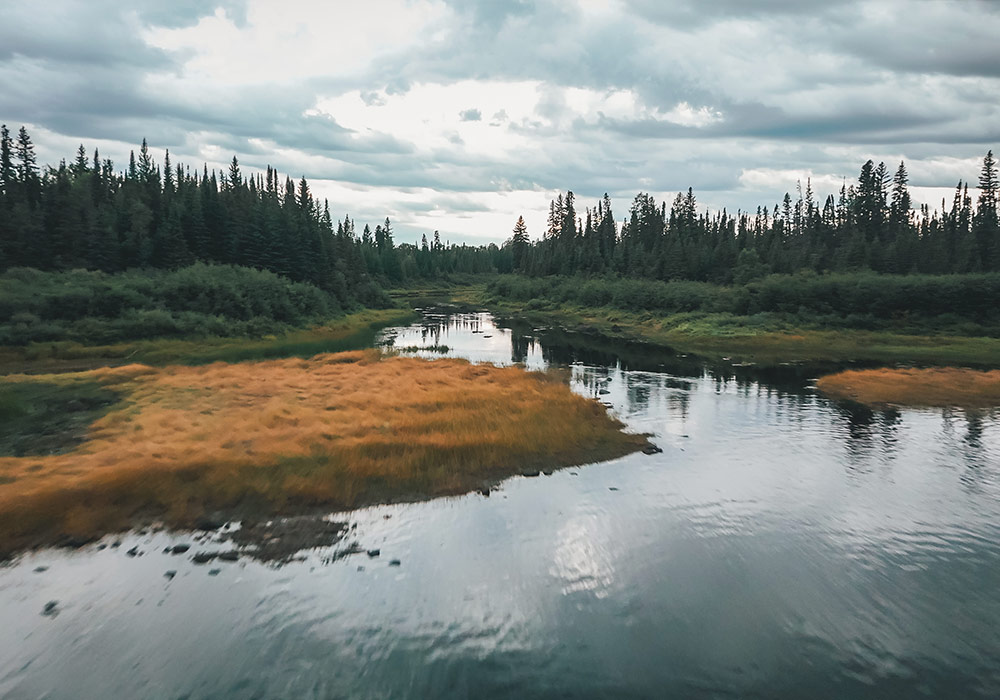
- Photos: selects from the Attawapiskat River (credit to: Eleven North Visuals)
- The lands where the proposed Ring of Fire is located are subject to Treaty 9, and the contamination from development in that region has the potential to affect downstream communities within that territory. The interconnected watersheds in this region flow north, where Indigenous Nations rely on clean lands and waters to exercise constitutionally protected Treaty rights, including the rights to hunt, fish, trap, and maintain cultural practices.
- Treaty 9, signed in 1905, represents a solemn agreement to peacefully coexist on the lands as two equal nations. For more than a century, the spirit and intent of the Treaty have been repeatedly undermined by residential schools, assimilationist practices, and disparities in the provision of essential services (including clean drinking water and health services) when compared to non-Indigenous communities.
- The National Inquiry into Missing and Murdered Indigenous Women and Girls has found that resource extraction projects can drive violence against women in multiple ways, and has called on governments and industry to “do a more thorough job of considering the safety of Indigenous women and children when making decisions about resource extraction on or near Indigenous territories.”
- The Kunming-Montreal Global Biodiversity Framework emphasizes the urgent need to halt and reverse biodiversity loss and requires equitable decision-making that respects Indigenous peoples’ rights, cultures, and knowledge.
- The United Nations Special Rapporteur on the human rights to safe drinking water and sanitation, Pedro Arrojo-Agudo, found extractive activities including mining continue to breach human rights, particularly the right to water of Indigenous Peoples.