By Jenna Brunt, Staff Lawyer
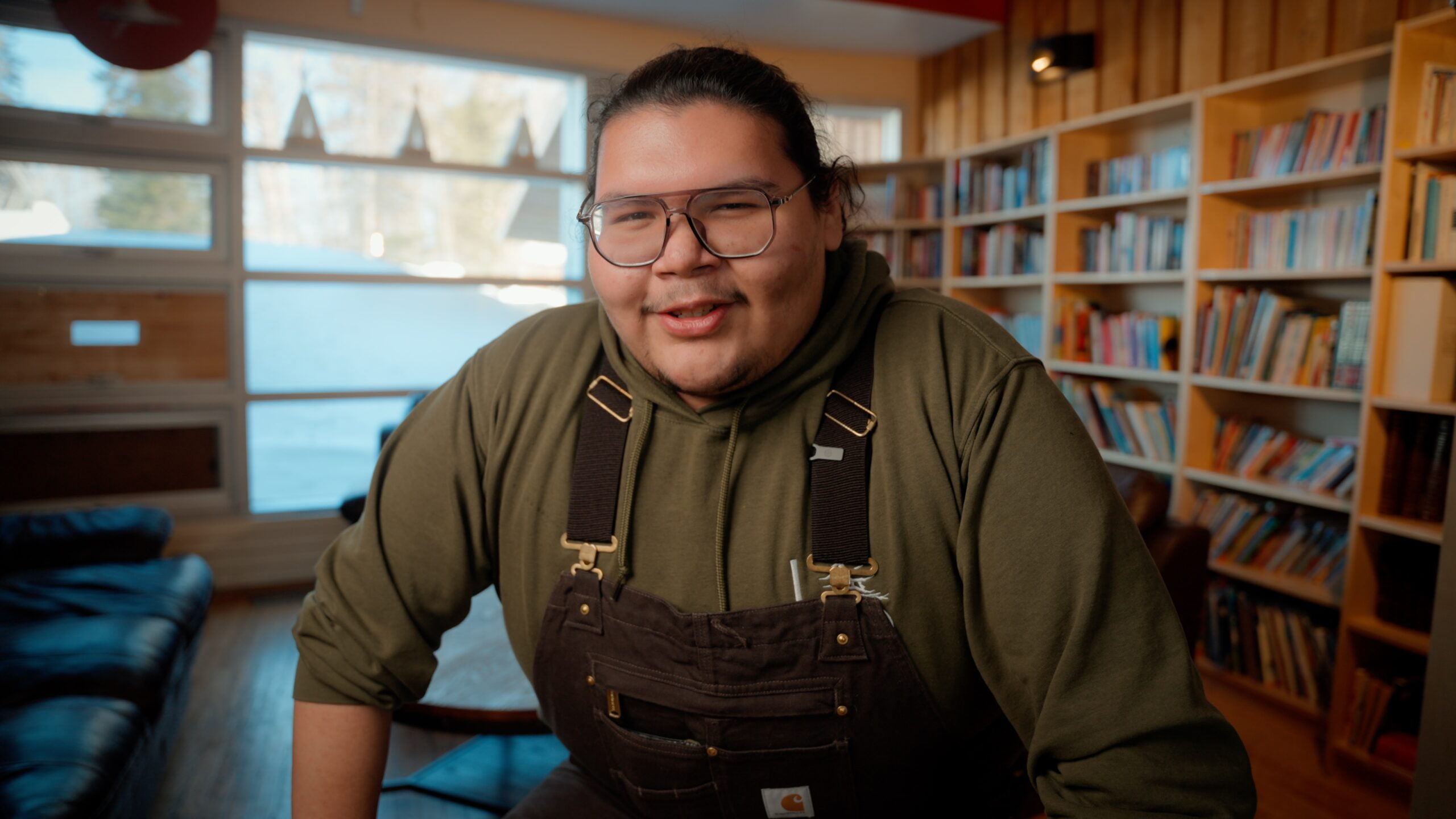
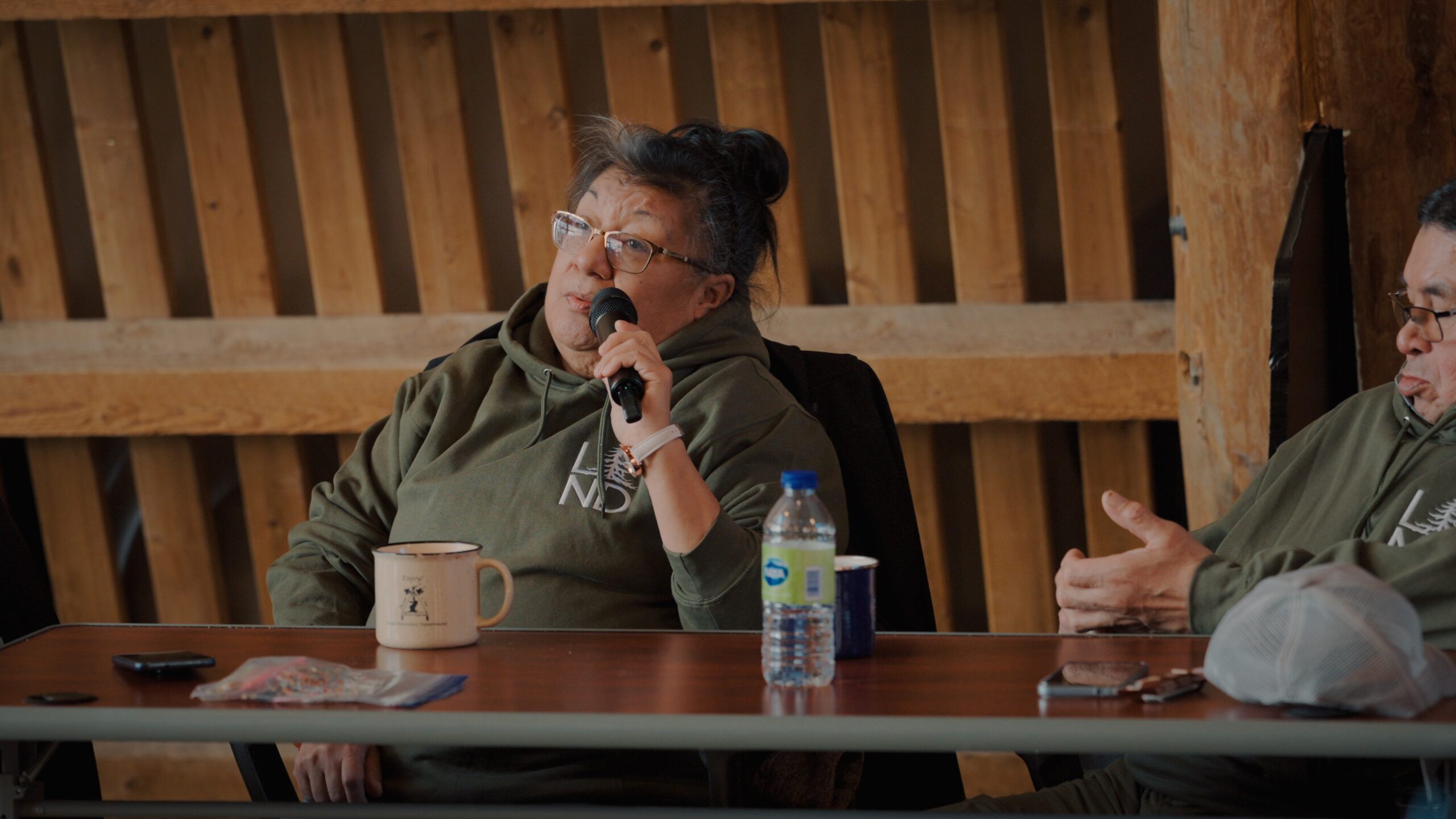
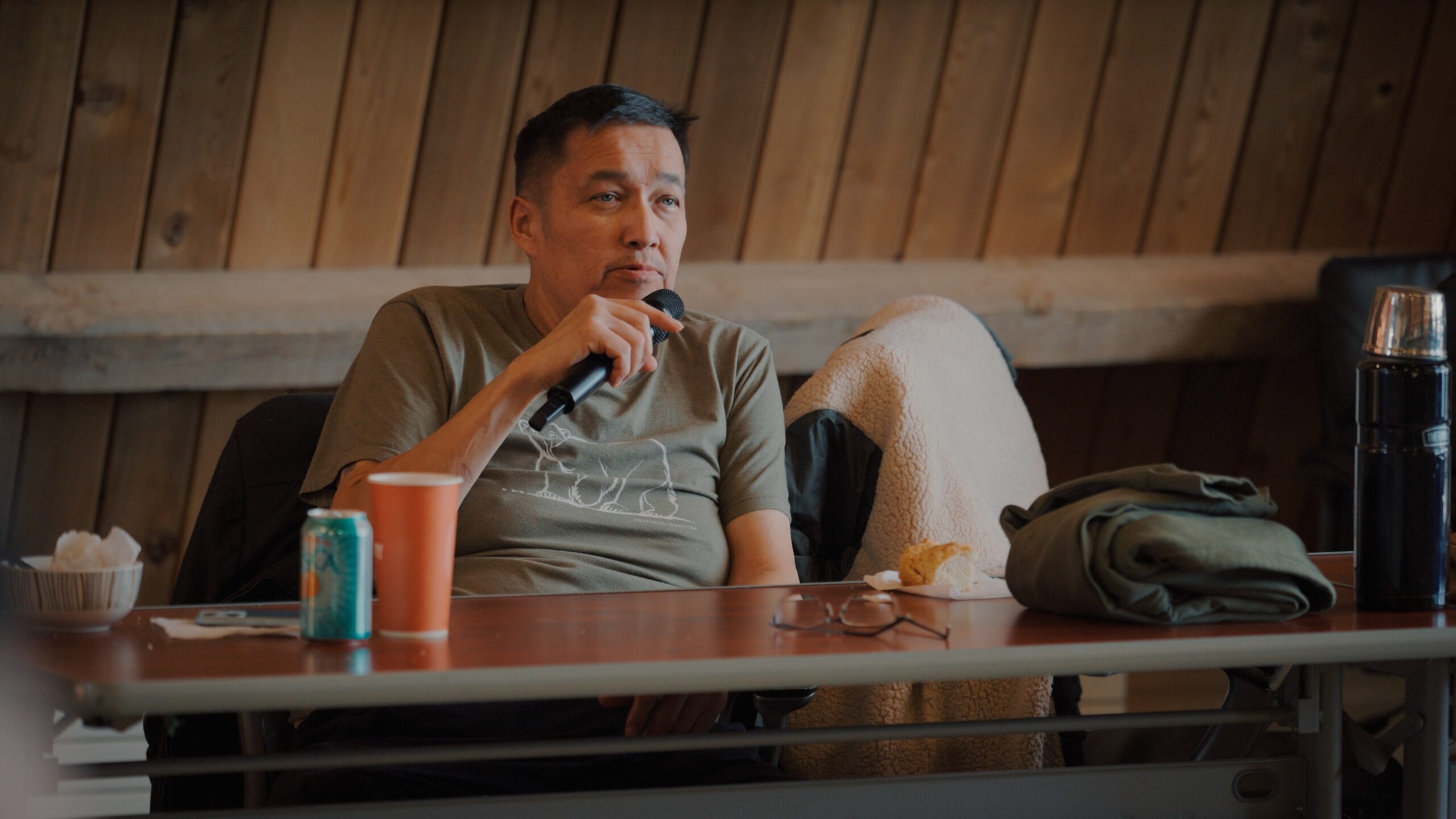
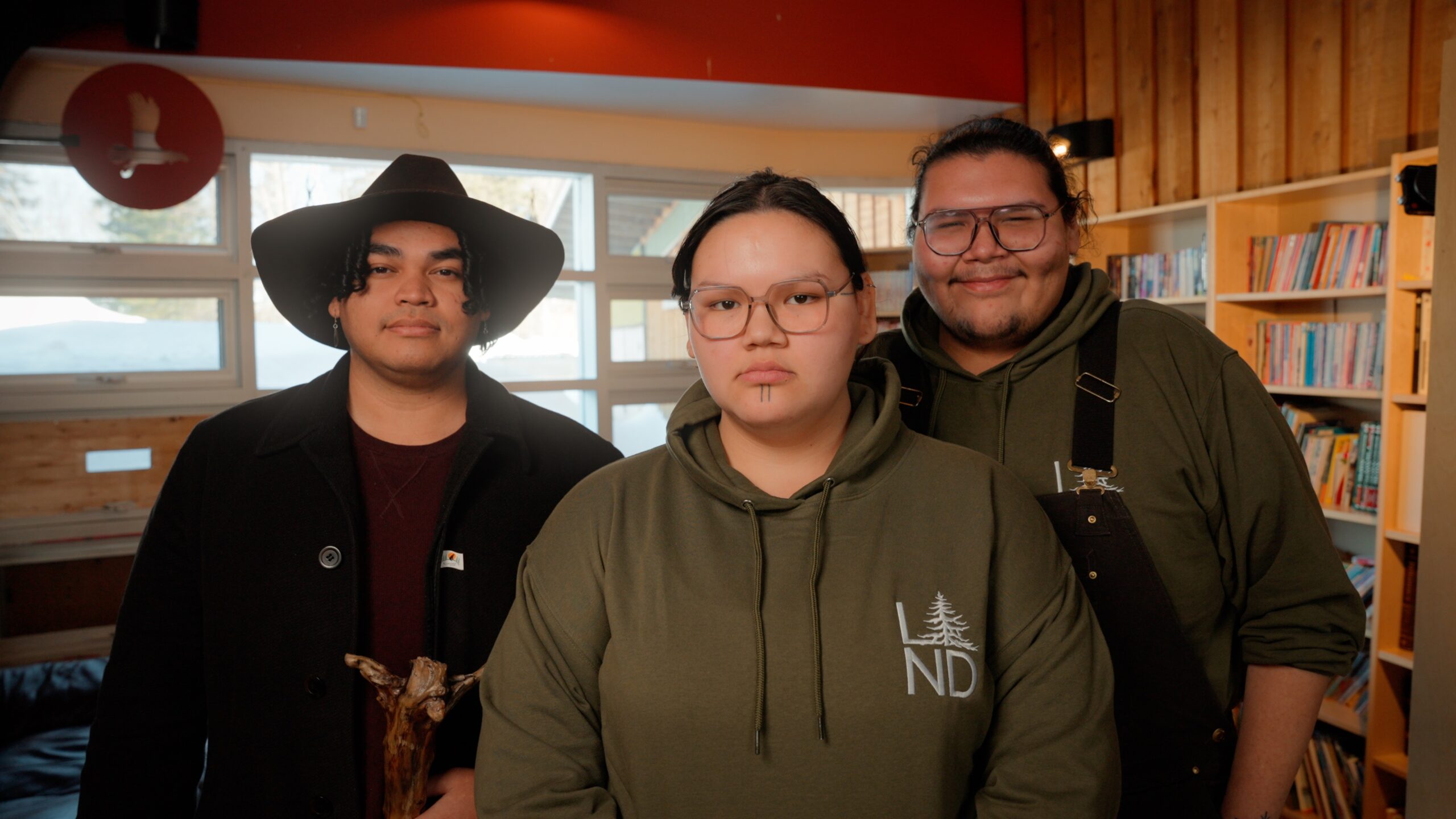
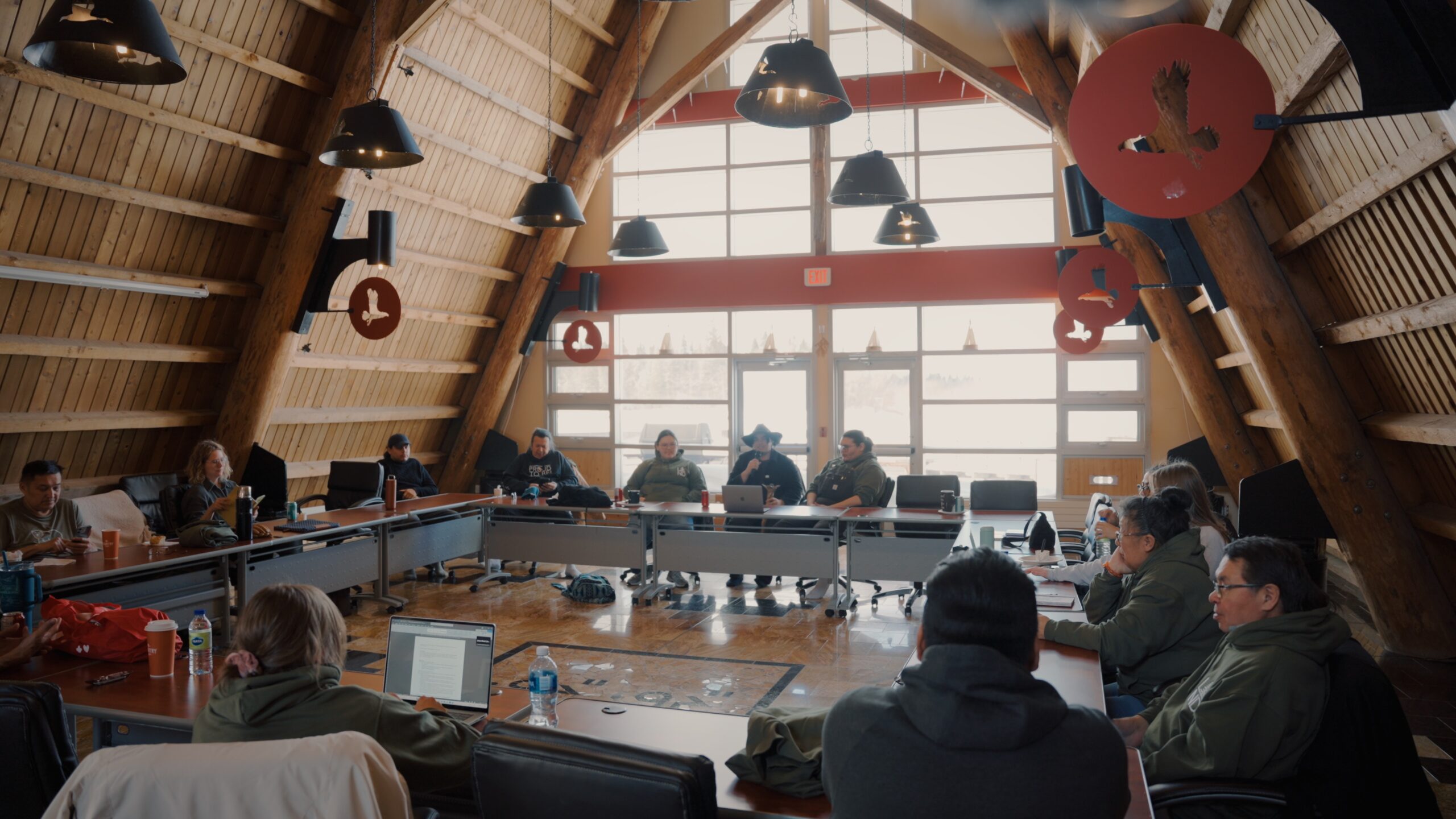
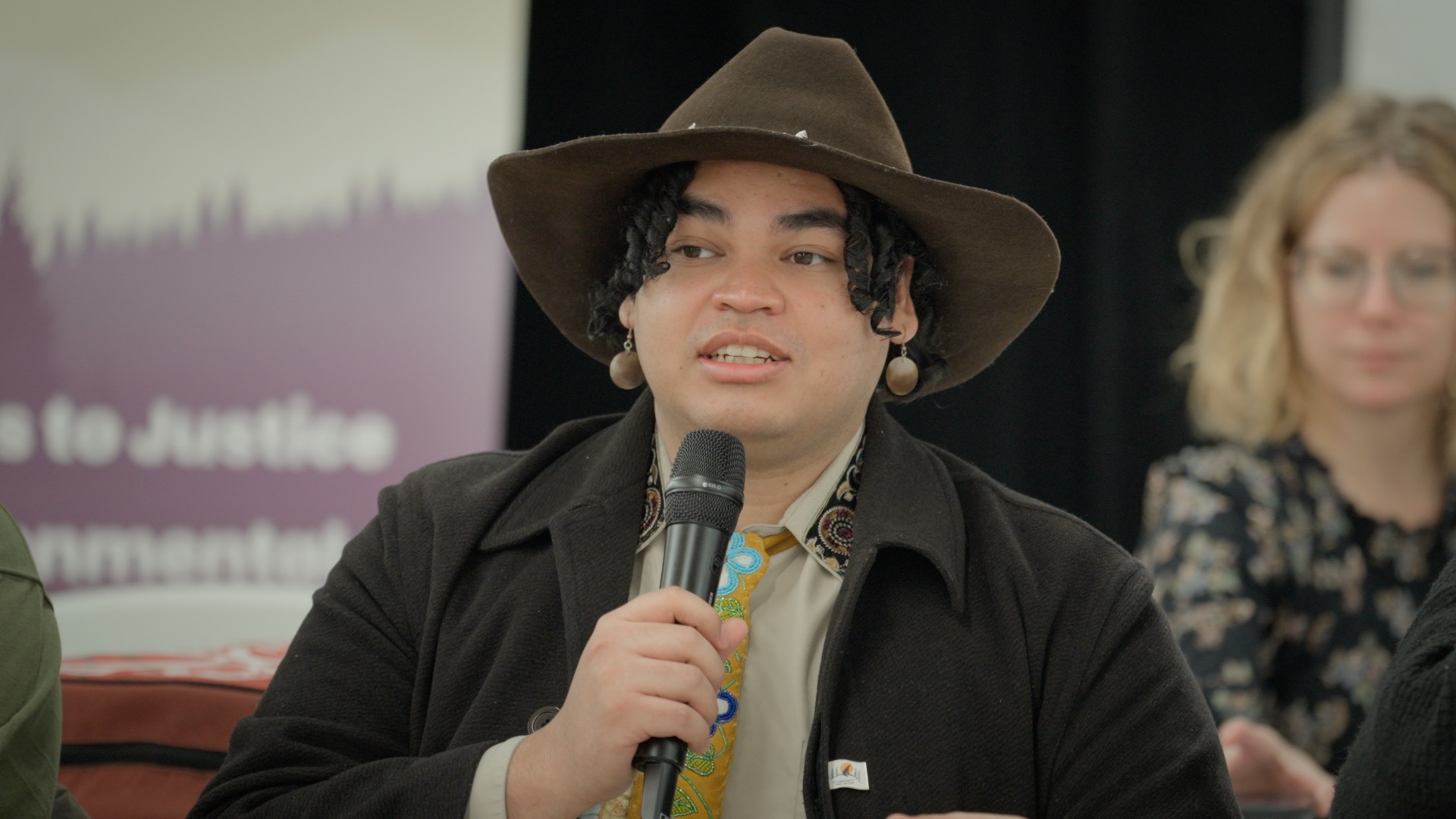
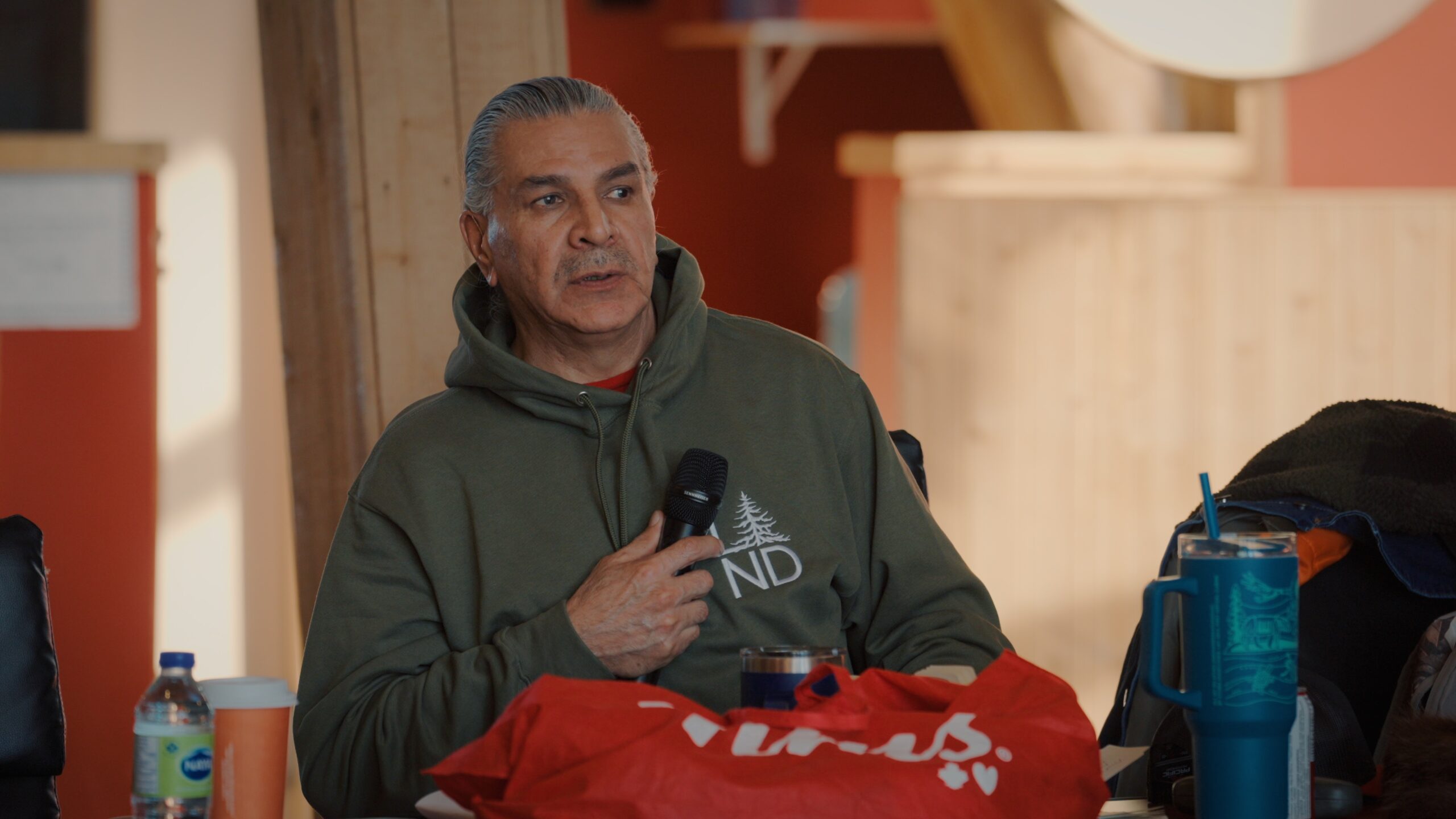
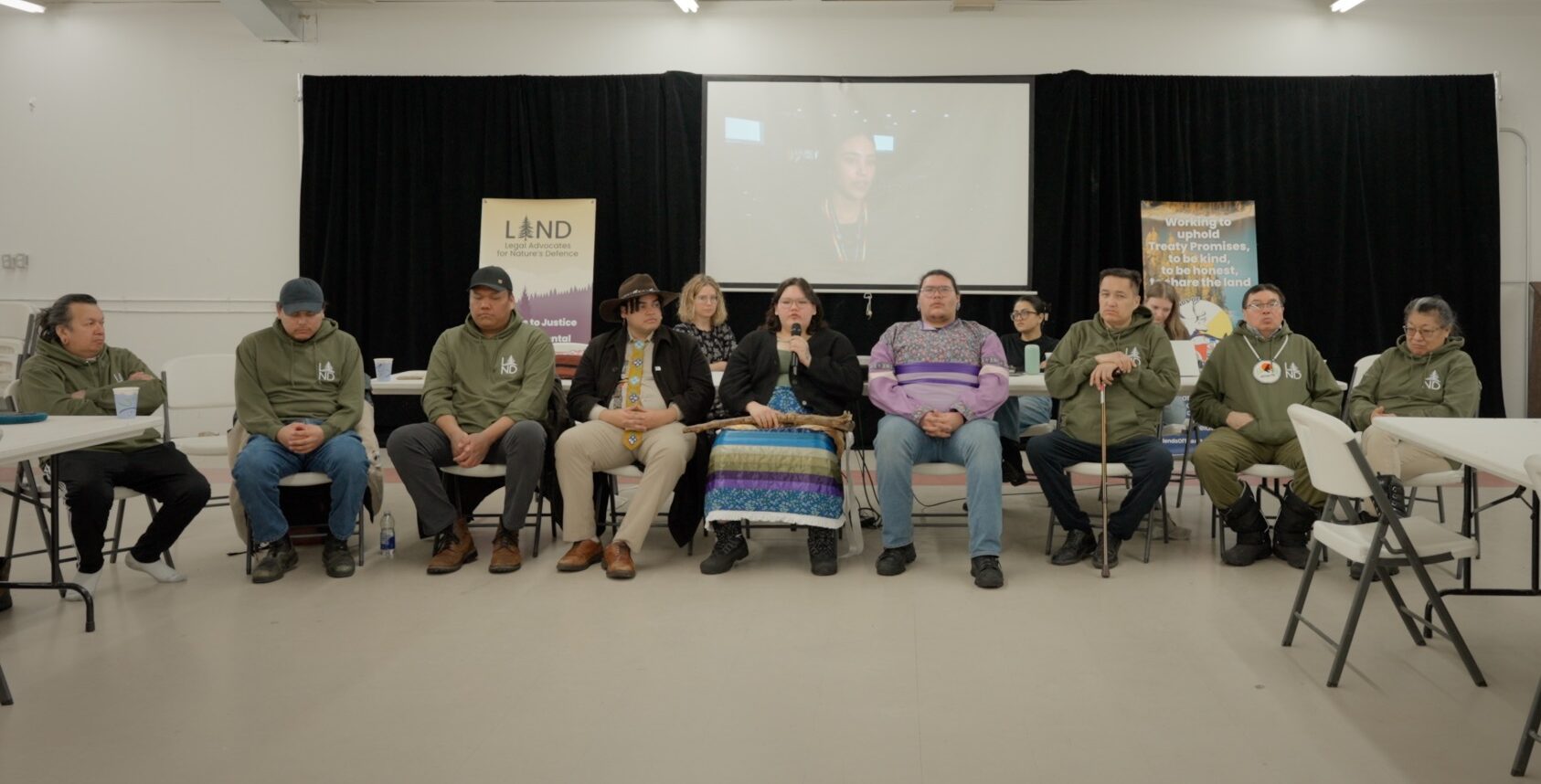
In early March, LAND, together with the Indigenous youth-led movements, Okiniwak and Here We Stand, and grassroot organizers with the Friends of the Attawapiskat River, hosted a community gathering in the Mooso Siibi area, Moose Cree First Nation in Treaty 9.
Together, we discussed the impacts of proposed extractive projects like the Ring of Fire and legal changes, precipitated by Bills 5 and C-5 – and what they mean for the protection of nature and Indigenous rights.
We invite you to watch our recap of the gathering, reflecting the voices of presenters, the hosts and community members who joined us (Video credit to: Eleven North Visuals)
The Significance of the Hudson-James Bay Lowlands
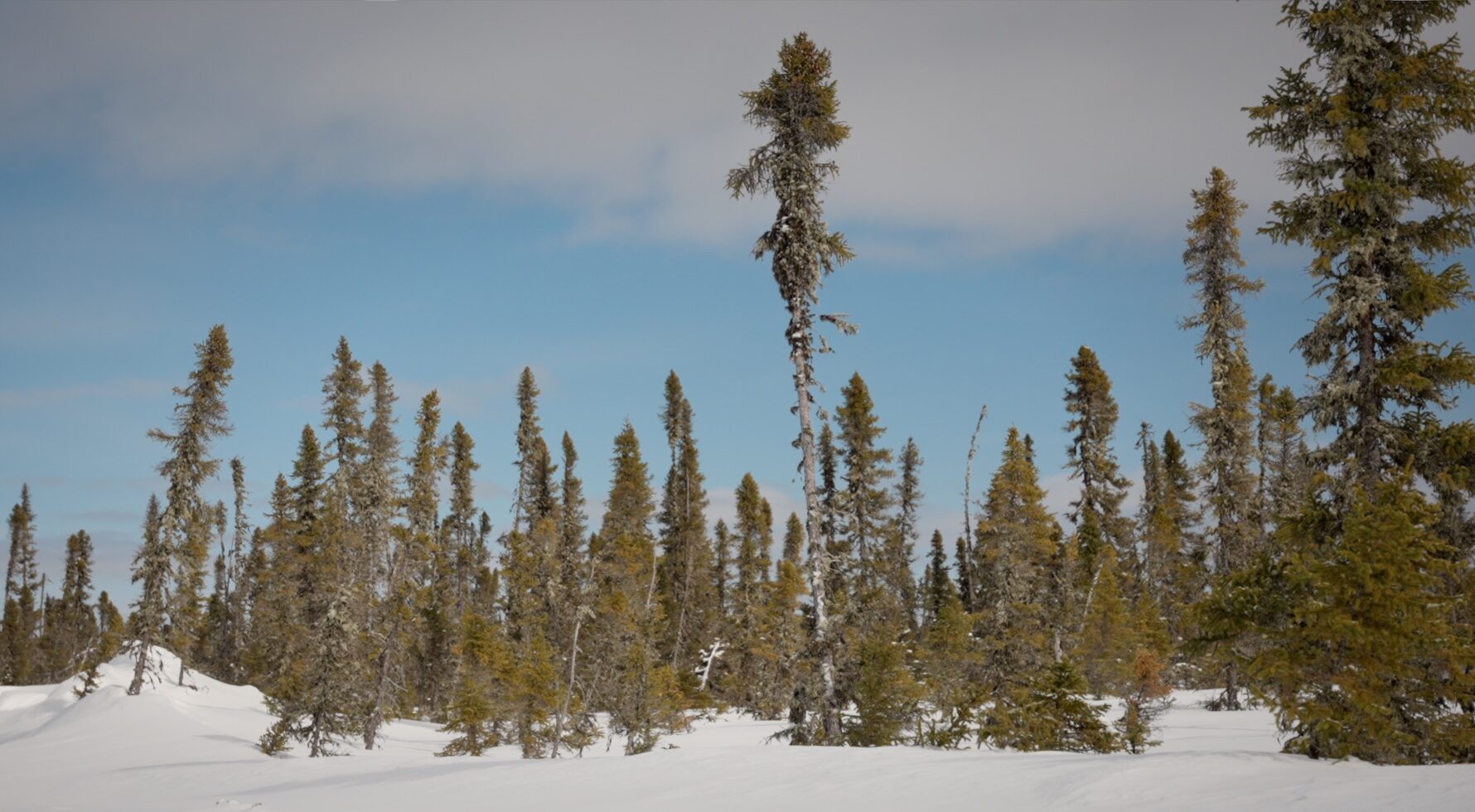
The Hudson-James Bay Lowlands – home to the Omushkego Cree in Treaty 9 territory – are among the most ecologically significant landscapes in the world, forming one of the world’s most vital carbon sinks. This region consists of vast peatlands (or muskeg), intact boreal forest, and interconnected water systems that play an important role in supporting wildlife habitat, mitigating climate change, and maintaining the exercise of Treaty rights, including the rights to hunt, fish, and trap. These lands also hold deep sacred and cultural significance for local Indigenous communities.
Disturbing this landscape risks irreversible environmental harm, and participants in the gathering expressed deep concern that major development in the region is proceeding without meaningful inclusion of Indigenous voices in the decision-making and without upholding free, prior, and informed consent (FPIC).
During the gathering, various projects linked to the proposed Ring of Fire were discussed – including the proposed Eagle’s Nest Mine, the Webequie Supply Road Project, the Marten Falls Community Access Road Project, the Northern Road Link Project, and broader mineral exploration and permits – many of which are moving forward without a completed Regional Assessment that meaningfully considers cumulative impacts of these projects in this ecologically significant and sensitive region.
At the same time, recent legislation and policy changes – including Bill 5 and Bill C-5 – are accelerating development through streamlined approval processes, while weakening safeguards for species at risk and culturally and sacred sites, and limiting meaningful Indigenous participation in decision-making.
As we shared at the gathering, Canada must be held accountable for upholding its commitments to Indigenous rights and environmental protection, including those recognized and affirmed in section 35 of the Constitution Act, the United Nations Declaration on the Rights of Indigenous Peoples, and the domestic United Nations Declaration Act.
The Path Forward & Supporting Legal Resources
At LAND, we work alongside Indigenous rights holders to amplify their calls for support and provide legal advocacy, public legal education, and strategic support so that Indigenous laws, Treaty rights, and consent obligations can be exercised and respected.
A core part of this work includes hosting in-community gatherings and creating accessible, culturally grounded materials for people to learn about their rights, share concerns, and build collective capacity to respond to threats facing their territories.
To support this gathering, we invite you to review, share or download the tools we created, including:
- Our presentation slides on topics including Bill 5, impact and regional assessments in the Ring of Fire, mineral exploration, international law, UNDRIP, and more.
- Step-by-step guides to help navigate and engage with government registries – including the federal Impact Assessment Agency of Canada and the Environmental Registry of Ontario.
- Template Letter for Indigenous rights holders: Exercise your right to have a say
- Template Letter for Indigenous rights holders: Opposing Mining Activities in the proposed Ring of Fire in Treaty 9
- Comment Guide: Key Messages When Writing about the Proposed Ring of Fire
- Template Letter for Indigenous rights holders: Express your interest to be involved in the Regional Assessment in the Ring of Fire area
These resources are intended to support communities and allies in staying informed while ensuring their voices are included in the decision-making process.
Feel free to SHARE these resources and SIGN UP for our newsletter to stay updated on our efforts to protect nature and Indigenous rights.
Questions? Reach out to us at info@naturesdefence.ca!
Disclaimer: These guides are current to March 25, 2026 and is for your information only. It is not legal advice nor a replacement for legal advice.